February 09, 2026
As February unfolds, tax season intensifies. Accountants are busier than ever, bookkeepers are gathering crucial documents, and everyone is focused on W-2s, 1099s, and looming deadlines.
But here's what often catches businesses off guard: the first real challenge of tax season isn't a form—it's a fraudulent scam.
One scam, in particular, strikes early—well before April—because it's simple, convincing, and specifically targets small business operations. It might already be waiting unseen in someone's inbox.
Understanding the W-2 Scam: What You Need to Know
The scam unfolds like this:
Typically, an employee responsible for payroll or HR receives a seemingly legitimate email, appearing to come from the CEO, owner, or a top executive.
The message is brief yet urgent:
"I need copies of all employee W-2s for an upcoming meeting with our accountant. Please send them over ASAP—I'm swamped today."
It feels authentic—the tone matches internal communications, urgency is expected during tax season, and the request sounds reasonable.
Unsuspecting, the employee complies and sends the W-2 forms.
However, the email is a phishing attack, crafted from a spoofed address or a deceptive, look-alike domain.
With those forms, the scammer gains access to every employee's:
• Legal full name
• Social Security Number
• Home address
• Salary details
This bundle of personal data enables identity theft and allows fraudulent tax returns to be filed before your employees even submit theirs.
Consequences You Can't Ignore
Typically, the breach is discovered when an employee attempts to file their taxes and faces a rejected return with the message: "Return already filed for this Social Security number."
Someone else has fraudulently filed under their identity and has already claimed their refund.
Now, your employee embarks on a time-consuming process dealing with the IRS, credit monitoring services, identity theft protection, and heaps of paperwork, all due to an email they unwittingly trusted.
Imagine multiplying this impact across your entire payroll. Explaining to your team that their private information was compromised because of a deceptive email is not only a security breach but also a deep loss of trust, an HR crisis, possible legal ramifications, and damage to your company's reputation.
Why This Scam Is So Effective
This isn't your typical blatantly fake email promise from a distant prince. Instead, it's designed to look genuine from the outset.
The reasons it succeeds include:
• Perfect timing—W-2s are expected in February, so the request fits in naturally.
• Reasonable request—there's no ask for wire transfers or gift cards, just typical tax documents.
• Urgency feels normal—a busy day at work justifies quick action.
• Sender's appearance is authentic—scammers research names and mimic real email addresses.
• Employees want to help—the pressure to assist leadership often overrides caution.
How to Shield Your Business Before It Happens
The encouraging truth? This scam is avoidable and doesn't rely solely on advanced technology but on solid policies and company culture.
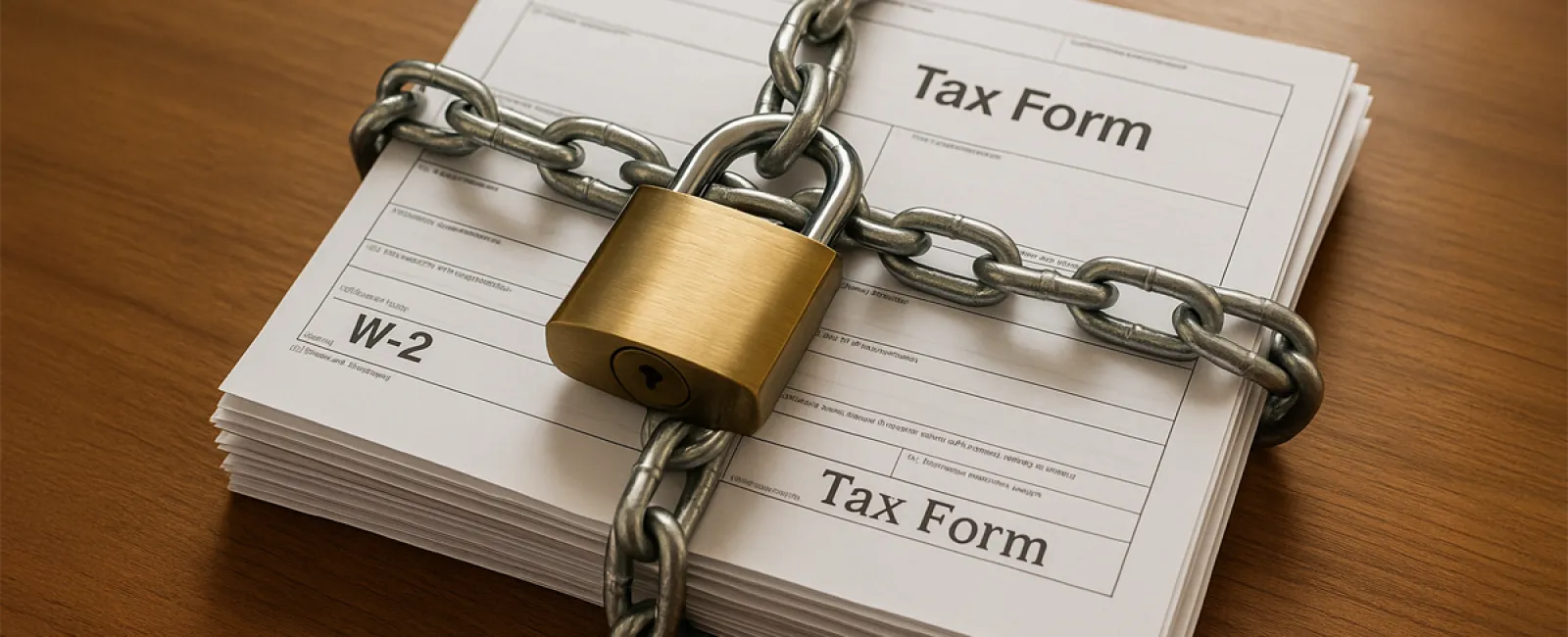
Implement a strict "no W-2s via email" policy. No exceptions. Sensitive payroll documents must never be emailed outside your company. If anyone requests them over email—even if it seems to come from the CEO—the answer is always "no."
Confirm sensitive requests through a secondary channel—be it a phone call, in-person verification, or corporate chat system. Use established contact details, not those provided in the suspicious email. This quick step can save extensive trouble.
Host a brief, 10-minute team meeting right now to discuss tax scams. Inform your payroll and HR teams about the surge in these attacks, what to look for, and how to respond. Awareness is an inexpensive yet powerful defense.
Strengthen security by enabling multi-factor authentication (MFA) on all payroll and HR systems handling employee information. In case credentials are compromised, MFA acts as a vital barricade against unauthorized access.
Foster a culture where verification is welcomed, not viewed as distrust. When employees double-check requests from executives, they should be applauded, not criticized. This culture of caution keeps scams at bay.
These five straightforward steps can be put into place immediately and offer robust protection against the initial wave of scams.
Looking at the Larger Threat Landscape
The W-2 scam is merely the beginning.
As we approach April, anticipate a variety of tax-related cyberattacks, such as:
• Fake IRS payment demands
• Phishing messages disguised as tax software updates
• Spoofed emails from supposedly your accountant containing harmful links
• Fraudulent invoices designed to mimic legitimate tax expenses
Cybercriminals exploit the hectic pace of tax season, knowing how financial requests blend into daily business.
Companies that finish tax season unscathed aren't lucky; they come prepared with clear policies, comprehensive training, and detection systems that catch suspicious activities before catastrophe strikes.
Is Your Business Prepared for Tax Season Threats?
If your team is already trained and policies are in place, you're ahead of most small businesses.
If not, the best time to act is now—before the first attack.
Consider booking a 15-minute Tax Season Security Check.
We'll evaluate:
• Payroll and HR system access controls including MFA
• Your protocols for verifying W-2 requests
• Email safeguards against spoofing
• The key policy adjustments many businesses overlook
Even if you're confident, sharing this vital information with fellow business owners might save them from costly trouble.
Click here or give us a call at (973) 575-4950 to schedule your free Consultation.
Because tax season should be demanding but not compounded by identity theft risks.